Iron Supplementation: What To Know Before You Start
Iron is essential, but supplementing it when you are not deficient does not boost energy — and daily iron intake without a deficiency can accumulate in the body over time.
This is worth understanding before adding any iron-containing supplement to a daily routine, regardless of what else is in the formula.
What iron actually does
Iron is a component of haemoglobin, the protein in red blood cells responsible for carrying oxygen from your lungs to the rest of your body. When iron levels are low, oxygen delivery suffers, and fatigue is one of the most common symptoms of iron-deficiency anaemia. See the NIH Office of Dietary Supplements fact sheet for the full detail.
Why 'more iron' does not mean 'more energy' for everyone
This is the part marketing sometimes glosses over. Iron supplementation reliably improves energy and reduces fatigue specifically in people who are iron-deficient. In someone who already has adequate iron levels, taking more does not provide an additional energy boost — the body is not short of the raw material it needs, so supplying more does not speed up oxygen delivery beyond its normal, already-adequate rate.
Who is actually likely to be iron-deficient
Iron deficiency is considerably more common in menstruating women, pregnant women, vegetarians and vegans, frequent blood donors, and people with certain gastrointestinal conditions that affect absorption. It is comparatively uncommon in adult men eating a varied diet, since men have no regular blood loss route and iron is present in a wide range of common foods.
Why unnecessary iron is not simply harmless
How to actually know if you need it
A simple blood test — typically serum ferritin, along with haemoglobin and other markers — tells you definitively whether you are iron-deficient. This is a five-minute conversation with a doctor and a standard blood draw, considerably more reliable than guessing based on feeling tired.
If a test confirms deficiency, iron supplementation is genuinely useful and often necessary. If it does not, a general energy supplement built around iron is unlikely to help and carries a real, if usually modest, downside.
Applying this to any iron-containing product
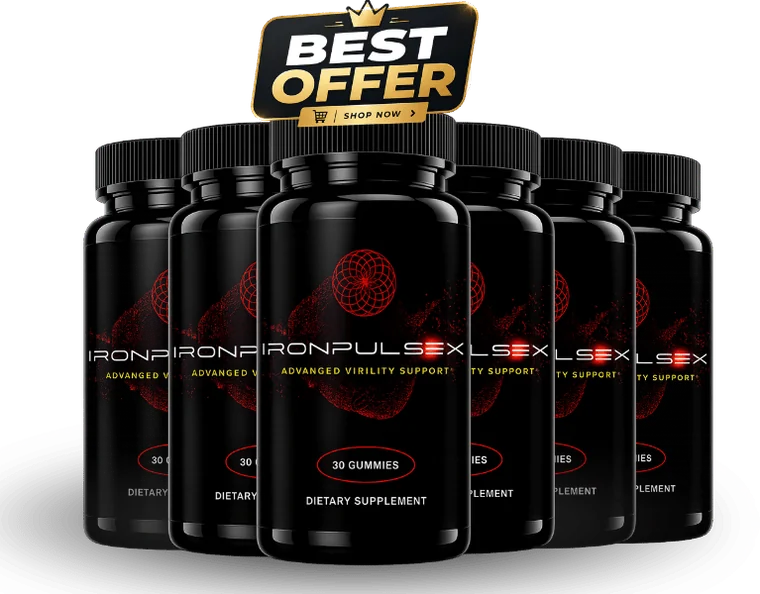
Products like IronPulseX, which declares 18 mg of iron per serving — the full Daily Value for many adults — are worth approaching with this context in mind. The formula's other ingredients target circulation separately from the iron; if your interest is specifically in the nitric oxide pathway rather than iron, that is a distinct question from whether daily iron supplementation makes sense for you personally.